
How to Choose the Right Bedding Manufacturer for Your Business
June 30, 2026
Top 7 Benefits of Private Label Sheets for Brands
July 17, 2026
Introduction
Are you tired of unreliable suppliers who deliver subpar bed sheets that damage your brand’s reputation?
You’re not alone. Many B2B buyers struggle to find a trustworthy OEM bedding manufacturer. The market is crowded. Every supplier claims to be the best. But when the containers arrive, the quality doesn’t match the samples. Thread counts are inflated. Colors are off. Delivery is late. Your customers are unhappy.
This guide cuts through the noise. We’ll show you exactly how to evaluate OEM bedding manufacturers for private label sheets. You’ll learn what questions to ask, which red flags to spot, and how to build a partnership that delivers consistent quality—order after order.
By the end of this article, you’ll have a step-by-step framework. You’ll know how to assess capabilities, negotiate costs, manage production timelines, and protect your brand through rigorous quality control. Whether you’re a retailer, hotel chain, or e-commerce brand, this guide is your roadmap to sourcing success.
Let’s dive in.
Table of Contents
-
Why Your Choice of OEM Bedding Manufacturer Matters
-
Understanding OEM, ODM, and Private Label in Bedding
-
10 Critical Factors for Evaluating OEM Bedding Manufacturers
-
The Cost Breakdown: What You’re Really Paying For
-
Quality Control: How to Ensure Consistent Excellence
-
Production Lead Times and Supply Chain Management
-
Certifications and Compliance: Non-Negotiable Standards
-
Sampling Process: Test Before You Commit
-
Communication: The Make-or-Break Factor in Long-Term Partnerships
-
Common Pitfalls When Sourcing Private Label Sheets (And How to Avoid Them)
-
How to Build a Long-Term Partnership with Your OEM Supplier
-
Conclusion and Next Steps
1. Why Your Choice of OEM Bedding Manufacturer Matters
Your OEM bedding manufacturer is more than a supplier. They are an extension of your brand. The bed sheets you sell carry your name. Your customers trust you to deliver comfort, durability, and value.
A poor choice costs you:
-
Lost revenue from returns and refunds
-
Damaged reputation through negative reviews
-
Wasted time managing quality issues
-
Missed opportunities when inventory runs late
Conversely, the right OEM partner helps you:
-
Scale your business with reliable capacity
-
Innovate with new fabrics and finishes
-
Differentiate your brand through unique product offerings
-
Build customer loyalty through consistent quality
The stakes are high. That’s why you need a systematic approach to selection—not gut feeling or the cheapest quote.
2. Understanding OEM, ODM, and Private Label in Bedding
Before we go further, let’s clarify the terms. Many buyers confuse them. Understanding the difference helps you set the right expectations with potential partners.
What is an OEM Bedding Manufacturer?
OEM stands for Original Equipment Manufacturer. An OEM bedding manufacturer produces bed sheets according to your specifications. You provide the design, materials, packaging requirements, and quality standards. The manufacturer handles production.
As the buyer, you own the brand. You control the product specifications. The OEM simply manufactures what you tell them to make.
What is ODM?
ODM stands for Original Design Manufacturer. An ODM manufacturer offers pre-designed products. They develop their own collections. You can choose from their catalog and add your branding.
ODM is faster and cheaper because you skip the design phase. However, you have less control over materials and construction. Many competitors might sell similar products from the same ODM factory.
What Are Private Label Sheets?
Private label sheets are products manufactured by one company and sold under another company’s brand. This is the final result. Whether you choose OEM or ODM, the outcome is private label sheets—products that carry your brand name.
For most B2B buyers, OEM is the preferred route. It gives you maximum control over quality, materials, and differentiation. This guide focuses primarily on OEM bedding manufacturing.
3. 10 Critical Factors for Evaluating OEM Bedding Manufacturers
Finding the right OEM bedding manufacturer requires due diligence. Here are ten factors you must evaluate before making a decision.
3.1 Manufacturing Capacity and Scale
Does the manufacturer have the capacity to meet your order volumes? Ask about:
-
Monthly production output in units
-
Number of production lines
-
Factory floor space
-
Workforce size
-
Maximum order capacity per month
A manufacturer with excess capacity can scale with you as you grow. One that’s already at maximum capacity might struggle to meet your deadlines.
3.2 Production Equipment and Technology
Modern equipment ensures consistent quality and efficiency. Look for manufacturers with:
-
Automated cutting machines for precise fabric cutting
-
High-speed quilting machines for consistent stitching
-
Computerized sewing machines with quality sensors
-
Automated folding and packaging lines
Ask about their machinery maintenance schedule. Well-maintained equipment produces better results.
3.3 Material Sourcing Capabilities
The quality of your private label sheets starts with raw materials. Evaluate their sourcing:
-
Do they have established relationships with yarn suppliers?
-
Can they source premium cotton from specific regions (e.g., Egyptian, Supima, or organic)?
-
Do they maintain inventory of commonly used fabrics?
-
Can they source specialty materials like bamboo, Tencel, or blends?
A manufacturer with strong supply chain connections can secure better raw materials at competitive prices. They can also protect you from supply disruptions.
3.4 Quality Control Systems
Quality control is paramount. Ask about their QC processes:
-
Incoming material inspection
-
In-process quality checks
-
Final product inspection
-
AQL (Acceptable Quality Limit) standards used
-
Defect tracking and corrective action procedures
Request documentation of their quality control procedures. A serious manufacturer will have detailed written processes.
3.5 Customization Flexibility
Every brand is unique. Your OEM partner should offer:
-
Multiple fabric options (cotton, polyester, blends, bamboo, linen)
-
Various weave types (percale, sateen, twill, jersey)
-
Custom sizing (twin, full, queen, king, California king, and custom hotel sizes)
-
Color matching and dyeing capabilities
-
Custom packaging (boxes, poly bags, labels, hang tags)
-
Embroidery and printing options
The more customization options they offer, the easier it is to differentiate your brand.
3.6 Minimum Order Quantities (MOQs)
MOQs vary widely among manufacturers. Some require 5,000 units per design. Others accept 500 units.
Consider:
-
What MOQs do they offer for custom fabrics?
-
What MOQs for standard fabrics from their inventory?
-
Are sample order quantities more flexible?
-
Can they accommodate trial orders before full production?
Choose a manufacturer whose MOQs align with your business model. If you’re a boutique brand, high MOQs will tie up your capital unnecessarily.
3.7 Pricing Transparency
A reputable OEM bedding manufacturer provides clear, detailed pricing. They should break down:
-
Fabric cost per yard or meter
-
Cutting and sewing labor costs
-
Packaging material costs
-
Shipping and logistics costs
-
Any setup or tooling fees
-
Sample costs
Beware of manufacturers who give vague quotes. You should understand exactly what you’re paying for—and why.
3.8 Lead Times and Delivery Reliability
Timely delivery is critical. Inconsistent lead times disrupt your inventory planning and customer satisfaction.
Ask:
-
What is their standard production lead time?
-
Do they offer expedited production for urgent orders?
-
What percentage of orders ship on time?
-
How do they handle delays (e.g., raw material shortages, machinery breakdowns)?
If they can’t provide reliable delivery dates, look elsewhere.
3.9 Communication and Responsiveness
Communication is the backbone of successful outsourcing. Evaluate:
-
Do they respond to inquiries within 24 hours?
-
Is there a dedicated account manager for your account?
-
Can they communicate effectively in English?
-
Do they provide regular production updates?
Your OEM partner should feel like an extension of your team—not a black box that occasionally sends containers.
3.10 Ethical and Environmental Practices
Sustainability matters to modern consumers. Work with manufacturers who share your values:
-
Fair labor practices and safe working conditions
-
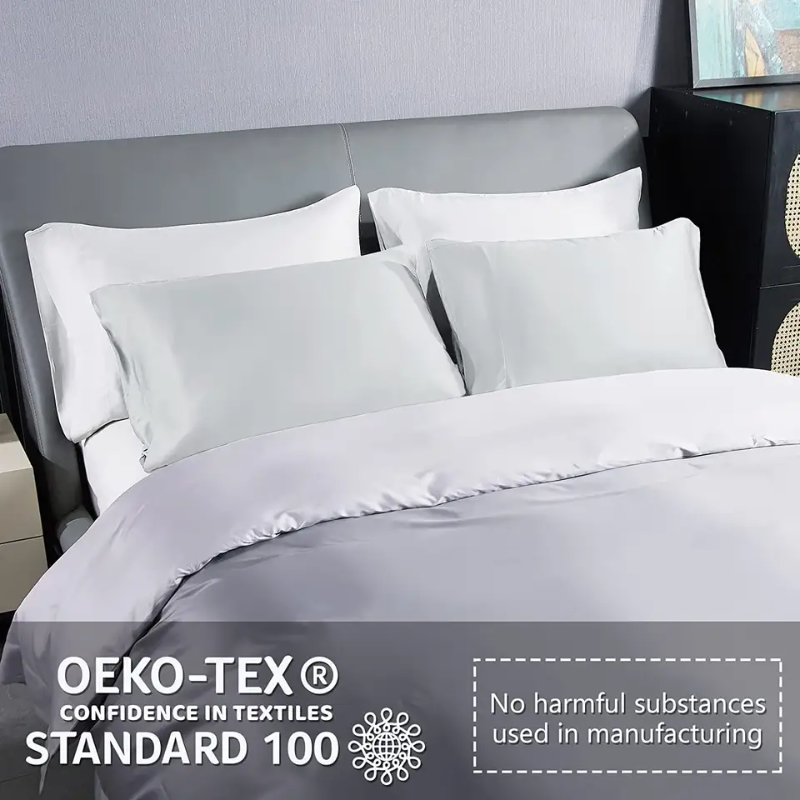
Environmental certifications (OEKO-TEX, GOTS, BCI)
-
Waste reduction and recycling programs
-
Energy-efficient production processes
These practices protect your brand from reputational risks. They also appeal to environmentally conscious end consumers.
4. The Cost Breakdown: What You’re Really Paying For
Understanding costs helps you negotiate better and avoid surprises. Here’s what goes into the price of private label sheets.
4.1 Raw Material Costs
Fabric is the largest cost component. Prices vary based on:
-
Fiber type: Cotton costs more than polyester. Organic cotton costs more than conventional cotton.
-
Yarn count: Higher yarn counts (e.g., 300 vs 200) use finer, more expensive yarns.
-
Fabric weight: Heavier fabrics use more material per square meter.
-
Dyeing and finishing: Specialty finishes (e.g., wrinkle-resistant, moisture-wicking) add cost.
4.2 Production Labor Costs
Labor costs vary by country and factory efficiency. China has higher labor costs than Vietnam or Bangladesh. However, Chinese factories often have better automation and quality control.
Labor costs include:
-
Cutting
-
Sewing and stitching
-
Inspection and quality control
-
Ironing and finishing
-
Folding and packaging
4.3 Packaging Costs
Custom packaging adds to your cost. Options include:
-
Poly bags (plain or printed)
-
Color boxes (for retail display)
-
Hang tags with branding
-
Labels and size stickers
Higher-end packaging costs more but enhances your brand perception.
4.4 Overhead and Profit Margin
Every manufacturer includes overhead costs:
-
Factory rent and utilities
-
Administrative salaries
-
Equipment depreciation
-
Quality control costs
-
Profit margin (typically 5-15%)
4.5 Logistics and Shipping
Shipping costs depend on:
-
Container size (20ft, 40ft, or 40ft HC)
-
Shipping route and fuel prices
-
Port fees and customs clearance
-
Insurance
4.6 Hidden Costs to Watch For
Beware of these potential hidden costs:
-
Setup fees: Charges for creating new patterns or samples
-
Color matching fees: Extra charges for custom dye lots
-
Overtime charges: Rush orders often incur premium fees
-
Third-party inspection fees: Some manufacturers pass this cost to you
-
Storage fees: Storing finished goods at the factory
Request a complete cost breakdown before signing any contract. Know your total landed cost (product + shipping + duties + all fees) before placing an order.
5. Quality Control: How to Ensure Consistent Excellence
Quality inconsistency is the number one complaint among B2B buyers. Here’s how to protect your brand.
5.1 Establish Clear Specifications
Write detailed product specifications. Include:
-
Fabric composition (e.g., 100% cotton, 300 thread count)
-
Fabric weight (GSM or ounces per square yard)
-
Color standards (Pantone code or physical color swatch)
-
Stitching specifications (stitches per inch)
-
Finished dimensions for each size
-
Packaging requirements (materials, dimensions, labeling)
The more detailed your specs, the less room for interpretation—and the fewer quality issues.
5.2 Conduct In-Line Inspections
Don’t wait until production is complete to check quality. Request in-line inspections during production. Trained inspectors check:
-
Fabric quality before cutting
-
Stitching during sewing
-
Measurements and finishing before packaging
This catches problems early. It’s cheaper to fix issues during production than after everything is packed in containers.
5.3 Final Random Inspection
Before shipment, conduct a final random inspection. Use AQL standards (Acceptable Quality Limit). AQL 1.5 to 2.5 is common for bed sheets.
The inspection should cover:
-
Color accuracy
-
Dimensions
-
Stitching quality
-
Fabric defects
-
Packaging integrity
Consider using a third-party inspection company for unbiased quality assessment.
5.4 Maintain Quality Records
Keep records of all quality inspections. Track defect rates over time. This helps you:
-
Identify patterns or recurring issues
-
Evaluate supplier performance objectively
-
Document quality history for future negotiations
5.5 Make Quality a Shared Responsibility
Your manufacturer should feel ownership of quality. Build this into your relationship:
-
Share your brand’s quality philosophy
-
Celebrate quality achievements
-
Provide feedback on every shipment
-
Work together to solve recurring issues
A manufacturer who cares about quality is worth paying a premium for.
6. Production Lead Times and Supply Chain Management
Lead times directly impact your business. Long lead times mean you must forecast far in advance. This ties up working capital and increases inventory risk.
6.1 Typical Lead Times for Bed Sheets
Standard lead times vary:
| Order Type | Typical Lead Time |
|---|---|
| Stock fabrics, small order | 2-3 weeks |
| Stock fabrics, large order | 4-6 weeks |
| Custom fabrics, small order | 4-6 weeks |
| Custom fabrics, large order | 6-10 weeks |
These times exclude shipping. Ocean freight typically adds 2-4 weeks depending on origin and destination.
6.2 Factors That Extend Lead Times
Several factors can lengthen production:
-
Fabric sourcing: Custom yarns or special weaves take longer
-
Dyeing: Custom colors require dye sampling and approval
-
Color matching: Matching Pantone colors precisely takes time
-
Holidays: Chinese New Year and other holidays shut down factories
-
Peak seasons: Pre-Christmas and back-to-school seasons are busiest
6.3 How to Manage Lead Times Effectively
Plan ahead to avoid problems:
-
Order fabric early. Have your manufacturer hold inventory for you.
-
Place recurring orders rather than one-offs.
-
Build buffer time into your schedule.
-
Communicate your needs 3-6 months in advance.
-
Understand your manufacturer’s holiday schedule.
6.4 What to Do When Lead Times Slip
Delays happen. When they do:
-
Request daily production updates
-
Ask if partial shipments are possible
-
Check if air freight is feasible (costly but fast)
-
Negotiate compensation for repeated delays
A reliable OEM partner will warn you early about delays—not surprise you at the last minute.
7. Certifications and Compliance: Non-Negotiable Standards
Certifications demonstrate commitment to quality and ethical practices. They also help you market your products to discerning consumers.
7.1 Key Certifications for Bed Sheets
| Certification | What It Covers |
|---|---|
| OEKO-TEX Standard 100 | Tests for harmful substances in textiles |
| GOTS (Global Organic Textile Standard) | Organic fibers and ethical production |
| BCI (Better Cotton Initiative) | Sustainable cotton sourcing |
| GRS (Global Recycled Standard) | Recycled content certification |
| ISO 9001 | Quality management systems |
| SA 8000 | Social accountability and labor rights |
7.2 Why Certifications Matter for Your Business
Certifications provide concrete evidence of your product’s quality:
-
Build consumer trust: Today’s shoppers look for certified products
-
Meet retail requirements: Many retailers require OEKO-TEX or GOTS
-
Differentiate your brand: Certifications signal premium quality
-
Reduce risk: Certified factories are more reliable
7.3 How to Verify Certifications
Don’t just take the manufacturer’s word. Verify their certifications:
-
Ask for certificate copies
-
Check the certifying body’s website for verification
-
Request factory inspection reports
-
Visit the factory to see practices in person
If a manufacturer claims to be GOTS-certified, they should show you the certificate and the chain of custody documentation.
8. Sampling Process: Test Before You Commit
Never place a large order without seeing samples first. The sampling process is your quality and safety net.
8.1 Types of Samples You Need
| Sample Type | Purpose |
|---|---|
| Development sample | Test feasibility of your design |
| Pre-production sample | Confirm exact specs before bulk |
| Production sample | Check quality from early production |
| Shipping sample | Verify final product before container loads |
8.2 What to Check in Samples
Examine every detail:
-
Color: Match to your Pantone code or swatch
-
Hand feel: Is the fabric as expected?
-
Stitching: Even, no skipped or loose stitches
-
Dimensions: Are finished sizes correct?
-
Labels and packaging: Branding as specified
-
Shrinkage: Wash and measure to check
8.3 Sample Costs and Timelines
Expect to pay for samples. Costs typically range from $50 to $300 per design, depending on complexity. Sample timelines are usually 1-3 weeks.
Some manufacturers refund sample costs on large orders. Clarify this upfront.
8.4 The Golden Rule of Sampling
Never approve bulk production without a physical sample in hand. Digital images can hide defects. Physical samples reveal the truth.
9. Communication: The Make-or-Break Factor
Poor communication is the most common source of sourcing frustration. It creates misunderstandings, delays, and quality issues.
9.1 Establish Clear Communication Channels
Set up multiple ways to communicate:
-
Primary contact person (account manager)
-
Email for detailed written communication
-
Instant messaging for quick questions (WhatsApp, WeChat, Skype)
-
Video calls for important meetings
9.2 Provide Visual References
Words alone are not enough. Use:
-
Photos of existing products
-
Video walkthroughs of factory and machinery
-
Physical samples when possible
-
Diagrams with measurements
-
Pantone color swatches
A picture is worth a thousand words—especially when dealing with international suppliers.
9.3 Document Everything
Record all important communications:
-
Specifications in written form
-
Pricing quotes with detailed breakdowns
-
Production timelines and delivery commitments
-
Quality requirements in an agreed document
Having records prevents disputes and provides clarity.
9.4 Schedule Regular Check-Ins
Don’t just communicate when there’s a problem. Schedule regular calls to:
-
Review production progress
-
Discuss upcoming orders
-
Address any concerns early
-
Strengthen your working relationship
10. Common Pitfalls When Sourcing Private Label Sheets (And How to Avoid Them)
Learn from others’ mistakes. Here are the most common pitfalls buyers face—and how to avoid each one.
10.1 Choosing the Cheapest Quote
The lowest price often comes with hidden costs. You might receive:
-
Lower-quality fabric than specified
-
Poor stitching that falls apart after washing
-
Delayed shipments
-
Poor communication and service
Solution: Evaluate total value, not just price. Consider quality, reliability, and service. Sometimes paying 5-10% more saves you huge headaches.
10.2 Failing to Define Specifications Clearly
Vague specifications lead to disappointing results. “Good quality” means different things to different people.
Solution: Write every detail. Specify thread count, fabric type, weight, measurements, stitching standards, packaging, labeling, and tolerances.
10.3 Ignoring the Cultural and Language Gap
Different business cultures have different communication styles. What seems direct to you might seem rude to them.
Solution: Invest time in understanding your manufacturer’s culture. Use simple, clear language. Confirm understanding by asking them to summarize your requirements.
10.4 Not Visiting the Factory
Photos can be misleading. A clean, organized factory on the surface might hide poor practices behind closed doors.
Solution: Visit the factory before placing large orders. If you can’t travel, hire a local inspection company to conduct an audit.
10.5 Underestimating Lead Times
Optimism is common in initial conversations. Manufacturers may promise shorter lead times to win your business.
Solution: Add 2-3 weeks to their quoted lead time as a buffer. Ask for historical data on their delivery performance.
10.6 Skipping Third-Party Inspections
Trust but verify. Even with a good relationship, mistakes happen. A third-party inspection provides objective quality assessment.
Solution: Budget for third-party inspections on every shipment. The cost is small compared to the cost of poor quality.
11. How to Build a Long-Term Partnership with Your OEM Supplier
The best relationships are partnerships, not transactions. Here’s how to build a lasting relationship with your OEM bedding manufacturer.
11.1 Share Your Business Goals
Help your manufacturer understand your vision:
-
Your target markets and customers
-
Your growth trajectory
-
Your product roadmap
-
Your quality philosophy
When they understand your goals, they can support you better. They’ll make decisions aligned with your interests.
11.2 Visit Regularly
Face-to-face meetings strengthen relationships. Visit your manufacturer:
-
At least once a year
-
During key production runs
-
To celebrate milestones together
These visits build trust and show commitment.
11.3 Be a Valued Customer
How do you become a valued customer?
-
Pay on time
-
Communicate clearly and calmly
-
Provide realistic forecasts
-
Acknowledge their efforts
-
Build long-term commitments
11.4 Share Feedback—Both Positive and Constructive
Feedback helps them improve. Share:
-
Positive feedback when quality is excellent
-
Constructive feedback when improvements are needed
-
Suggestions based on your market knowledge
A manufacturer who values your feedback will invest in your success.
11.5 Consider Exclusivity Arrangements
Exclusivity can benefit both parties:
-
You get priority production and dedicated resources
-
They get guaranteed volumes and longer planning horizon
Negotiate exclusivity carefully. It should work for both sides.
12. Conclusion and Next Steps
Choosing the right OEM bedding manufacturer is one of the most important decisions you’ll make as a B2B buyer. The right partner helps you scale, innovate, and delight your customers. The wrong partner costs you money, reputation, and peace of mind.
Key Takeaways
-
Do your homework: Evaluate manufacturing capacity, quality systems, and communication before committing.
-
Define your specs clearly: Detailed specifications prevent misunderstandings.
-
Check quality at every stage: In-line and final inspections protect your brand.
-
Build a partnership: Long-term relationships deliver better quality and service.
-
Visit the factory: See the operations for yourself.
Your Next Steps
-
Review your current requirements (volumes, quality, budget)
-
Shortlist 3-5 OEM bedding manufacturers that meet your criteria
-
Send each a detailed request for proposal (RFP)
-
Request samples from the most promising candidates
-
Conduct factory audits for the top two finalists
-
Start with a small trial order to test the partnership

About WUXI AOKA HOMEWARE TECHNOLOGY CO., LTD
Now that you understand what to look for in an OEM bedding manufacturer, let us introduce ourselves.
WUXI AOKA HOMEWARE TECHNOLOGY CO., LTD is a professional supplier and manufacturer of bed sheet sets. We are based in Wuxi, China—a major textile manufacturing hub with decades of industry expertise.
We focus on quality, reliability, and partnership. Our team brings years of experience in textile manufacturing and export. We work with B2B clients worldwide to produce private label sheets that meet their exact specifications.
Our strengths include:
-
Modern Production Equipment: Our factory uses advanced machinery for precise, efficient production.
-
Quality Assurance: We follow strict quality control procedures at every stage—from material sourcing to final packaging. Our products meet international standards, including OEKO-TEX certifications.
-
Customization Capabilities: We offer a wide range of fabric options, weaves, colors, sizes, and packaging solutions. Whatever your brand needs, we can deliver.
-
Competitive Pricing: By managing our supply chain efficiently, we offer competitive prices without compromising quality.
-
Reliable Lead Times: We understand that your inventory planning depends on our delivery. We respect our commitments and provide regular production updates.
-
Responsive Communication: Our team is fluent in English. We respond promptly and clearly to all inquiries. You’ll have a dedicated account manager for your account.
We view our clients as partners, not just customers. Your success is our success. We invest in long-term relationships built on trust, quality, and mutual respect.
If you’re looking for a reliable OEM bedding manufacturer for private label sheets, we invite you to reach out. Let’s discuss your requirements. We’ll provide a detailed proposal, samples, and factory tour options.
Ready to take the next step? Contact us today. Let’s create bed sheets that your customers will love—and that build your brand for years to come.
This guide is part of our commitment to helping B2B buyers make informed sourcing decisions. We believe in transparency, quality, and partnership. We hope this guide serves you well.
About WUXI AOKA HOMEWARE TECHNOLOGY CO., LTD
WUXI AOKA HOMEWARE TECHNOLOGY CO., LTD is a leading manufacturer and supplier of bed sheet sets and home textile products. We serve B2B clients worldwide with private label and OEM manufacturing services. Our commitment to quality, innovation, and customer partnership sets us apart in the industry. Visit our website at [https://aokahome.com/] to learn more.
